
Best Seam Sealing Tape for Repairing Camping Tents
When you're camping, a small leak can quickly turn into a major problem. Even when the tent fabric itself is waterproof, stitched seams can become vulnerable to moisture over time. This is where the right seam sealing tape can make a significant difference.
At Ardmel Automation, we manufacture specialist seam sealing tapes and machines designed for demanding waterproofing applications. Our tapes are used across technical outerwear, sportswear and mountaineering tents, where reliable seam protection and moisture control are essential.
If you're looking for the best seam sealing tape for repairing camping tents, the key is not simply choosing the thickest or strongest tape. The tape needs to be compatible with the tent material, flexible enough to move with the fabric and capable of creating a dependable waterproof seal.

Why Do Tent Seams Need Sealing?
Most camping tents are manufactured by stitching sections of waterproof fabric together. While stitching creates a strong mechanical connection, it also creates tiny holes where water can potentially enter.
Over time, repeated folding, pitching, UV exposure, friction and harsh weather can cause existing seam seals to deteriorate. You may notice:
- Small leaks appearing around stitched seams
- Water entering during heavy rain
- Old seam tape lifting or peeling
- Cracked or damaged seam sealing
- Moisture appearing around zips, corners or high-stress areas
Applying waterproof seam sealing tape for tents helps cover these vulnerable stitched areas and creates a barrier against water penetration.
For tent manufacturers and professional repair operations, heat-applied seam tape offers a consistent way to seal seams while maintaining the flexibility and performance of technical fabrics.
What Is the Best Seam Sealing Tape for Tents?
There isn't one universal tape for every camping tent. The best option depends on the construction and coating of the fabric.
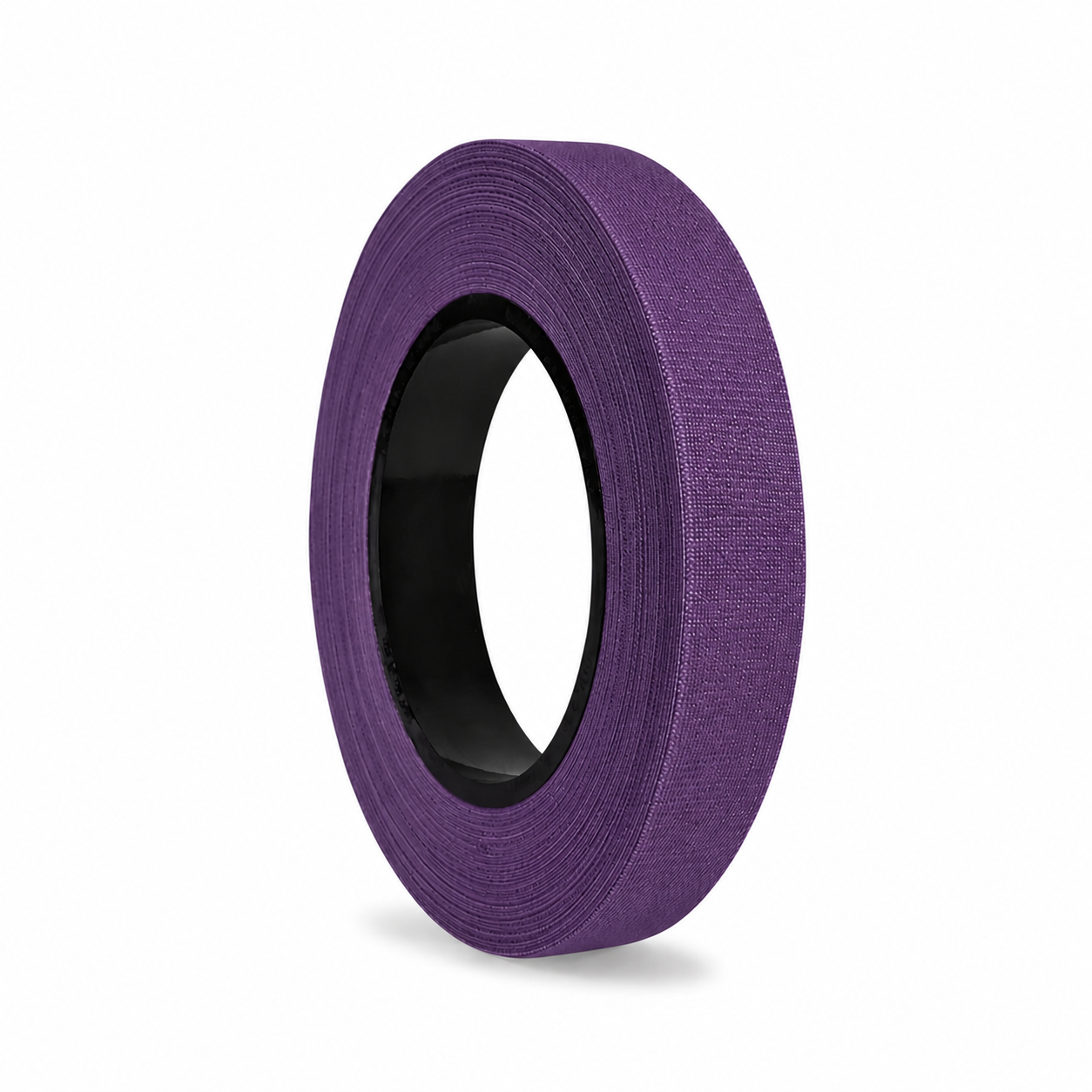
For many waterproof outdoor fabrics, PU-based seam sealing tape is a suitable choice because polyurethane can provide flexibility, durability and waterproof protection. Ardmel supplies several specialist tape constructions for waterproof and technical fabrics, including 2-layer PU tapes with hot-melt adhesive.
For example, our T5045 is designed for breathable and non-breathable waterproof fabrics. Its 2-layer PU construction and hot-melt adhesive are intended to create a reliable barrier over stitched seams while retaining flexibility.
However, choosing the correct tape requires more than looking at the material name.
Consider these factors:
- Tent fabric: First, identify whether the tent uses PU-coated, TPU-coated, PVC-coated or another technical fabric. The tape and adhesive must be compatible with the fabric's surface.
- Waterproofing requirements: For tents used in heavy rain or challenging outdoor environments, the seam tape needs to create a dependable waterproof barrier without compromising the fabric.
- Flexibility: Tent fabric is constantly folded, stretched and moved. A rigid seal can crack or lift over time, so flexibility is particularly important for camping equipment.
- Tape construction: Single-layer, 2-layer and 3-layer seam tapes can have different constructions and bonding characteristics. At Ardmel, we supply a range of seam tapes and can help customers identify the appropriate solution for their application.
Seam Sealing Tape vs Tent Repair Tape
It's worth understanding the difference between general-purpose tent repair tape and heat-applied seam sealing tape.
General repair tapes can be useful for quick fixes to tears or damaged sections of fabric. Seam sealing tape, however, is specifically intended to cover and seal stitched seams.
For professional tent production and repair, heat sealing provides a controlled bonding process. Ardmel's process uses hot air to activate the polyurethane coating or adhesive before pressure is applied to bond the tape to the material.
The result is a sealed seam designed to improve waterproof performance and provide a neat, durable finish.

How Is Seam Sealing Tape Applied to a Tent?
For commercial or professional applications, seam sealing tape is normally applied using a dedicated seam sealing machine.
The basic process involves:
- Positioning the seam tape over the stitched seam.
- Feeding the tape through the seam sealing machine.
- Applying controlled hot air to activate the tape's adhesive.
- Applying pressure through the machine's roller.
- Allowing the bonded seam to cool and stabilise.
Correct temperature, pressure and machine speed are important. Too much heat can damage the fabric, while insufficient heat may result in poor adhesion.
This is why selecting the tape and application equipment together can be beneficial. At Ardmel, we manufacture both seam sealing tapes and seam sealing machines, allowing us to support customers with the complete sealing process.
What If You're Manufacturing Camping Tents?
If you're producing tents commercially rather than carrying out an occasional repair, consistency becomes particularly important.
A professional seam sealing machine for tents can help create repeatable seals across large quantities of products. Ardmel's MK220-AC, for example, is designed for applications including tents and features differential drive technology to help compensate when working with soft, stretch or difficult fabrics.
For larger and more demanding tent applications, the MK-10-XP is designed to handle bulky products such as tents and car covers, with features including automatic tape feeding and an open design for easier material handling.
This makes machine selection just as important as selecting the right seam sealing tape for waterproof fabrics.
How to Choose the Right Tape for Your Tent
Before ordering a tape, consider the following:
- What fabric is the tent made from?
- Is the fabric breathable or non-breathable?
- What coating does the fabric have?
- Is the tape being used for a repair or commercial production?
- How much flexibility will the sealed seam require?
- What level of waterproofing is required?
- What machine and application temperature will be used?
- Does the tape need to match the colour or appearance of the fabric?
If you're unsure, it's better to discuss the application with a technical tape specialist rather than selecting a product based solely on appearance or price.
At Ardmel, our technical team can help customers identify suitable tapes and application techniques based on their material and end-use requirements. We also offer bespoke tape development for specialist applications.

Why Choose Ardmel for Tent Seam Sealing?
For more than 50 years, Ardmel Automation has developed specialist seam sealing technology for customers worldwide. Our expertise covers both seam sealing tapes and seam sealing machines, giving customers access to consumables, machinery and technical support from one source.
Our seam tapes are used in technical applications where waterproofing, durability and moisture transmission control are important, including mountaineering tents and outdoor products.
Whether you're developing a new tent, repairing outdoor equipment or looking for a more reliable commercial sealing process, choosing the right tape is an important part of achieving a durable finished product.
Find the Right Seam Sealing Tape for Your Application
The best seam sealing tape for a camping tent depends on its fabric, coating, construction and intended use. A compatible PU or other specialist heat-sealing tape can provide reliable protection over stitched seams, while the right seam sealing machine can deliver consistent results across production runs.
At Ardmel Automation, we can help you find a suitable tape and sealing solution for your specific application.
Looking for the right seam sealing tape or a professional seam sealing machine for tents? Contact Ardmel Automation today to discuss your requirements and find the right solution for your application.